
There was a time when “moving to the cloud” felt like innovation.
Today, it’s just the starting point.
In 2026, the real conversation is not about which cloud provider you use, but how intelligently your system is distributed across environments. Businesses are no longer building applications for a single region, a single vendor, or a predictable load.
They are building for:
This is where Cloud 3.0 steps in – not as a new tool, but as a new way of thinking.
Cloud 3.0 is about building systems that adapt, survive, and scale – no matter where they run.
Cloud has evolved in clear stages:
Cloud 1.0 – Migration
You moved from physical servers to cloud infrastructure.
Cloud 2.0 – Optimization
You improved performance using scaling, DevOps, and managed services.
Cloud 3.0 – Intelligence + Distribution
You design systems that operate across multiple clouds, regions, and environments with resilience built in.
Key Cloud 3.0 Trends in 2026
The question is no longer “Where do we host?” – it’s “How do we stay available, everywhere?”
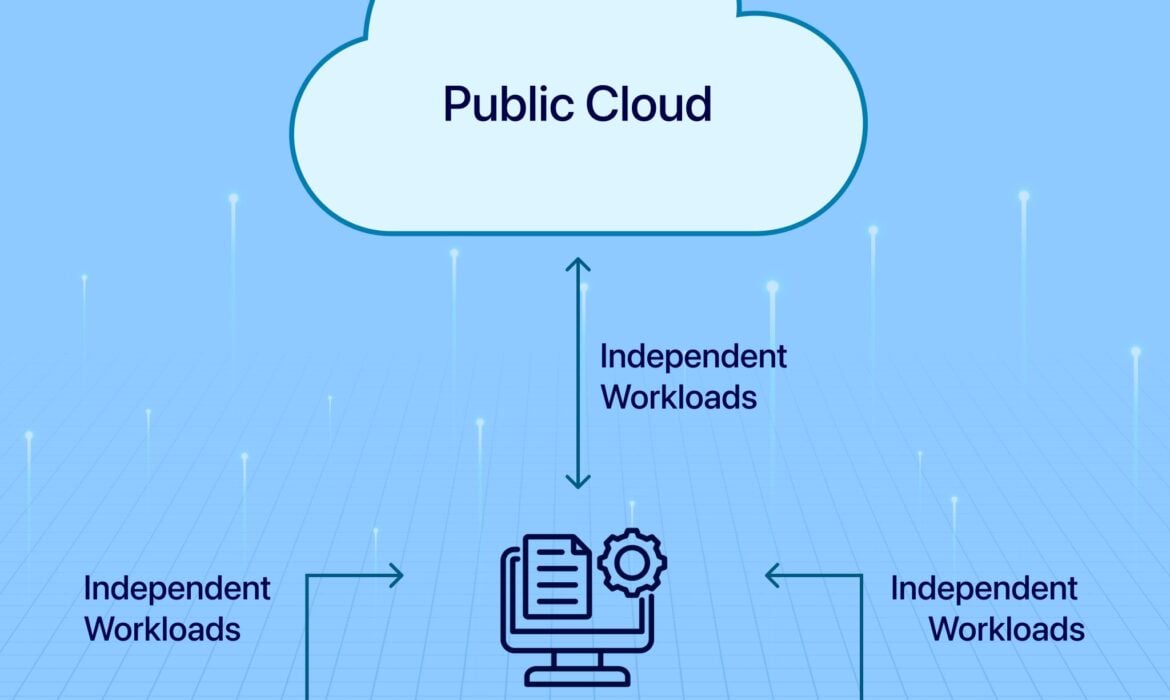
A multi cloud strategy means distributing workloads across providers like AWS, Google Cloud, and Azure instead of depending on just one.
And in 2026, this is no longer optional for serious businesses.
1. No Single Point of Failure
Even the biggest providers face outages. Multi cloud ensures your system keeps running when one fails.
2. True Global Performance
Different providers perform better in different regions. Multi cloud lets you serve users from the fastest possible location.
3. Compliance Without Compromise
Data laws are stricter than ever. Multi cloud allows data to stay within required geographic boundaries.
4. Cost Optimization
You can route workloads to the most cost-efficient infrastructure instead of paying premium everywhere.
5. Vendor Independence
You are not locked into one ecosystem, pricing model, or roadmap.
Multi cloud is not about complexity. It’s about control.
Without the right foundation, multi cloud becomes messy. That’s why cloud native best practices are critical.
Microservices Architecture
Break applications into independent services that scale individually.
Containerization (Docker)
Ensure consistency across environments — what works in one cloud works in another.
Kubernetes Orchestration
Manage containers across multiple clouds using a unified control plane.
API-First Design
Enable seamless communication between distributed services.
Infrastructure as Code (IaC)
Automate deployments across providers using tools like Terraform.
Observability and Monitoring
Track performance, detect failures early, and maintain visibility across systems.
Cloud-native design turns multi cloud from a challenge into an advantage.
Let’s make this practical.
A modern SaaS platform in 2026 might:
What This Achieves
Instead of one system doing everything, multiple systems work together — intelligently.
Cloud 3.0 is powerful, but not easy.
Common Mistakes
This leads to complexity instead of scalability.
Multi cloud without strategy creates chaos. With structure, it creates resilience.
At HK Infosoft, we focus on building practical, scalable, and business-aligned cloud systems.
1. Business-First Architecture
We understand user geography, traffic patterns, and growth plans.
2. Smart Cloud Distribution
We choose the right mix of AWS, GCP, and other providers based on workload.
3. Cloud-Native Foundations
Microservices, containers, and APIs ensure flexibility.
4. Resilience by Design
Failover systems, backups, and distributed deployments are built in.
5. Continuous Optimization
We monitor performance, costs, and system health in real time.
We don’t just build cloud systems. We design how they behave under pressure.
Cloud is still evolving.
What’s next?
The direction is clear: systems will become more distributed, intelligent, and self-managed.
Cloud 3.0 is not about adding more tools. It’s about removing limitations.
A strong multi cloud strategy, combined with cloud native best practices, allows businesses to:
The companies that win in 2026 will not be the ones with the biggest infrastructure.
They will be the ones with the most adaptable architecture.
At HK Infosoft, we help businesses build exactly that.